 UpToWhere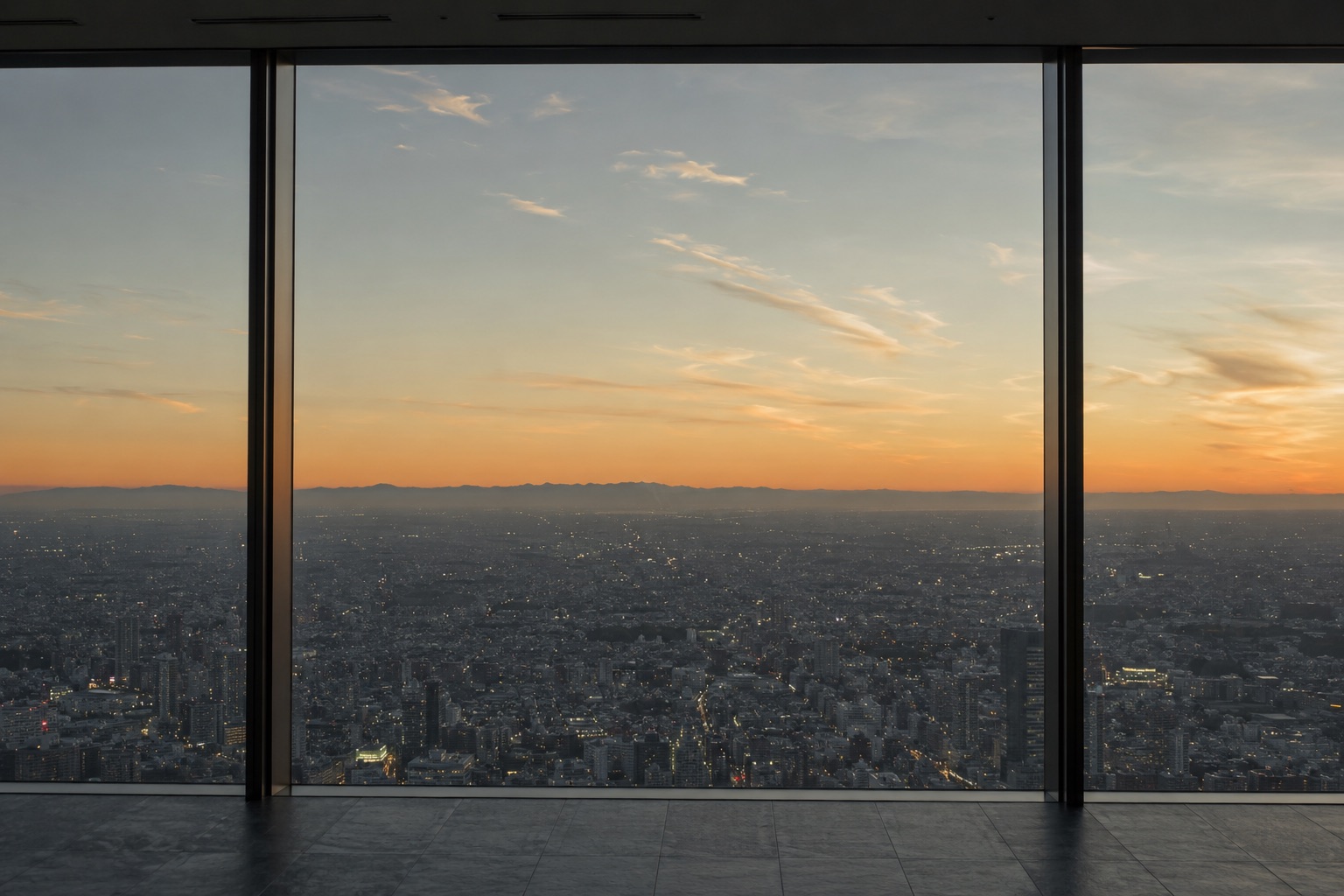
Every observation deck's website makes the same promise: "On a clear day, you can see for 80 kilometres (50 mi)." The number is usually round, usually old, and usually wrong in both directions: too generous for a normal afternoon, and far too modest for what the geometry actually allows.
We ran the real computation (360° terrain analysis with Earth curvature and refraction) for the world's great decks. The results are stranger than the brochures.
The brochure number vs. the terrain number
The classic formula gives the distance to the smooth-Earth horizon from a deck's height:
horizon ≈ 3.57 × √h [km, h in metres above the surrounding surface]
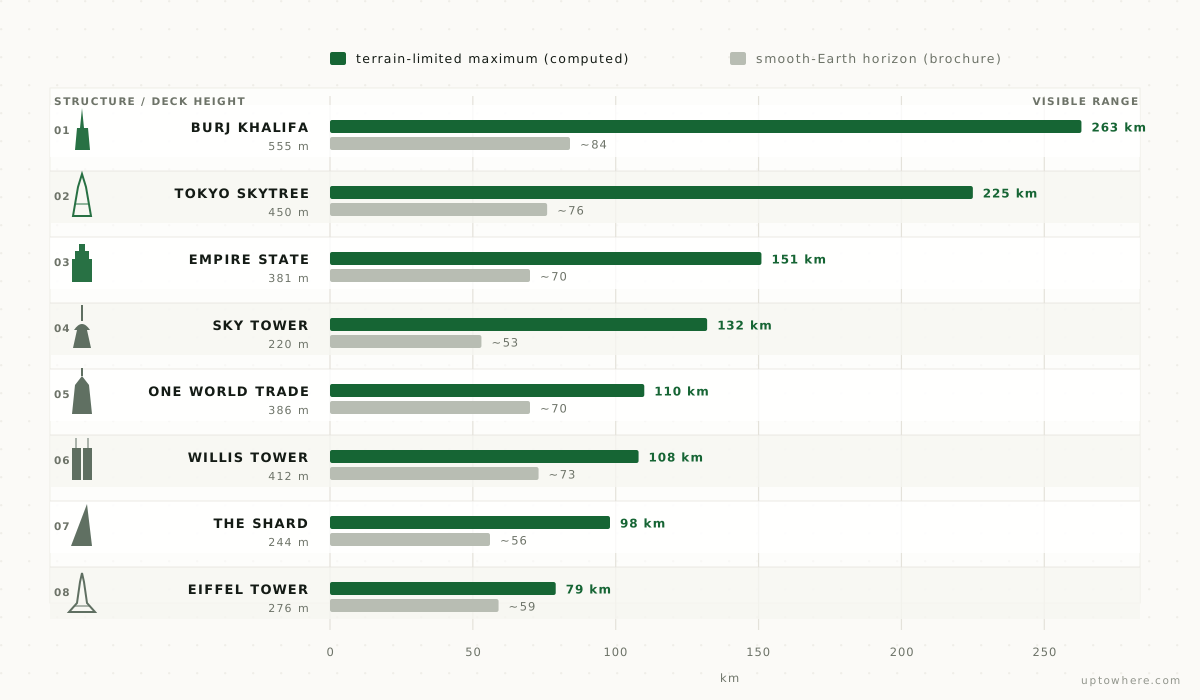
That's where the brochure numbers come from. But the horizon line is not the limit of vision: anything tall beyond it remains visible, exactly as a mountain range 200 km away pokes above the curve. A deck's true maximum sightline depends on what high terrain exists within geometric reach. That's a terrain computation, and it changes everything:
| Deck | Height above ground | Smooth-Earth horizon | Real terrain-limited maximum |
|---|---|---|---|
| Burj Khalifa, Dubai | 555 m (1,821 ft) | ~84 km (52 mi) | 263 km (163 mi) |
| Tokyo Skytree | 450 m (1,476 ft) | ~76 km (47 mi) | 225 km (140 mi) |
| Empire State Building, NYC | 381 m (1,250 ft) | ~70 km (43 mi) | 151 km (94 mi) |
| Sky Tower, Auckland | 220 m (722 ft) | ~53 km (33 mi) | 132 km (82 mi) |
| One World Trade Center, NYC | 386 m (1,266 ft) | ~70 km (43 mi) | 110 km (68 mi) |
| Willis Tower, Chicago | 412 m (1,352 ft) | ~73 km (45 mi) | 108 km (67 mi) |
| The Shard, London | 244 m (801 ft) | ~56 km (35 mi) | 98 km (61 mi) |
| Eiffel Tower, Paris | 276 m (906 ft) | ~59 km (37 mi) | 79 km (49 mi) |
The pattern: decks with mountains within reach blow past their horizon number. The Burj Khalifa's 263 km (163 mi) line runs to high ridges far across the Persian Gulf; Tokyo Skytree reaches deep into Japan's mountain spine (Fuji, at ~100 km / 62 mi, is not even the far edge); the Empire State's longest line finds high ground far upstate. Flat-country decks (London, Paris) stay close to the geometric horizon, because there's simply nothing tall enough beyond it.
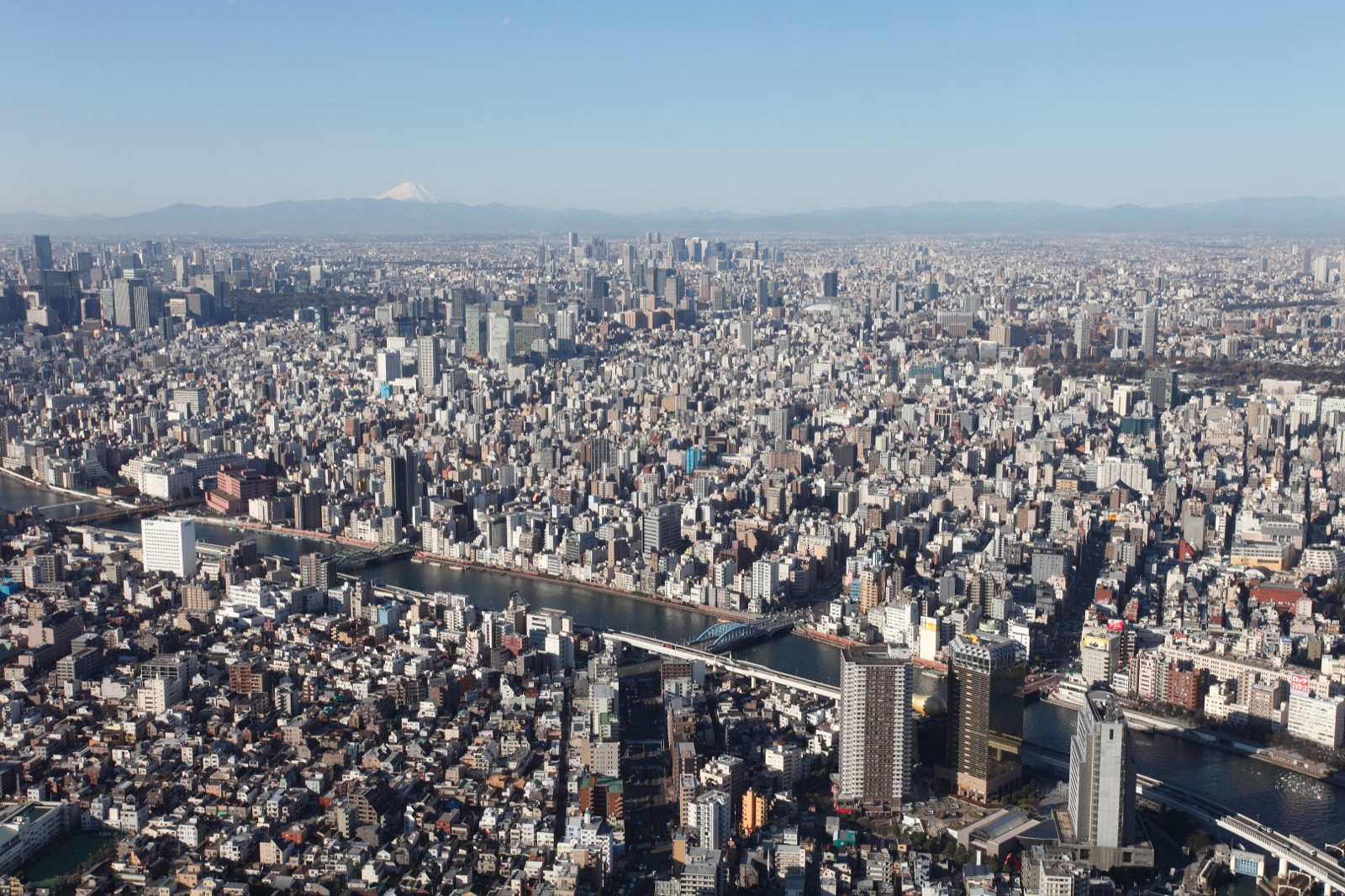
Photo: MiNe, CC BY 2.0 (source).

Each linked viewpoint page carries the full analysis: the compass rose of visible distance in every direction, the farthest point's exact bearing, and the sector-by-sector breakdown.
Why you'll rarely see either number
Geometry proposes; the atmosphere disposes. From a deck you look horizontally through the densest, dirtiest air layer: the urban boundary layer, loaded with aerosols. Typical outcomes:
- Ordinary summer afternoon over a big city: 20–40 km (12–25 mi) of recognizable detail.
- Clean day after rain: 60–100 km (37–62 mi).
- Cold, dry post-frontal air, winter morning: the geometry becomes the limit: this is when Fuji appears from Tokyo decks and the ranges across the Gulf materialize from the Burj.
Here is what that looks like from the highest observation deck on Earth, on a normal Dubai day:
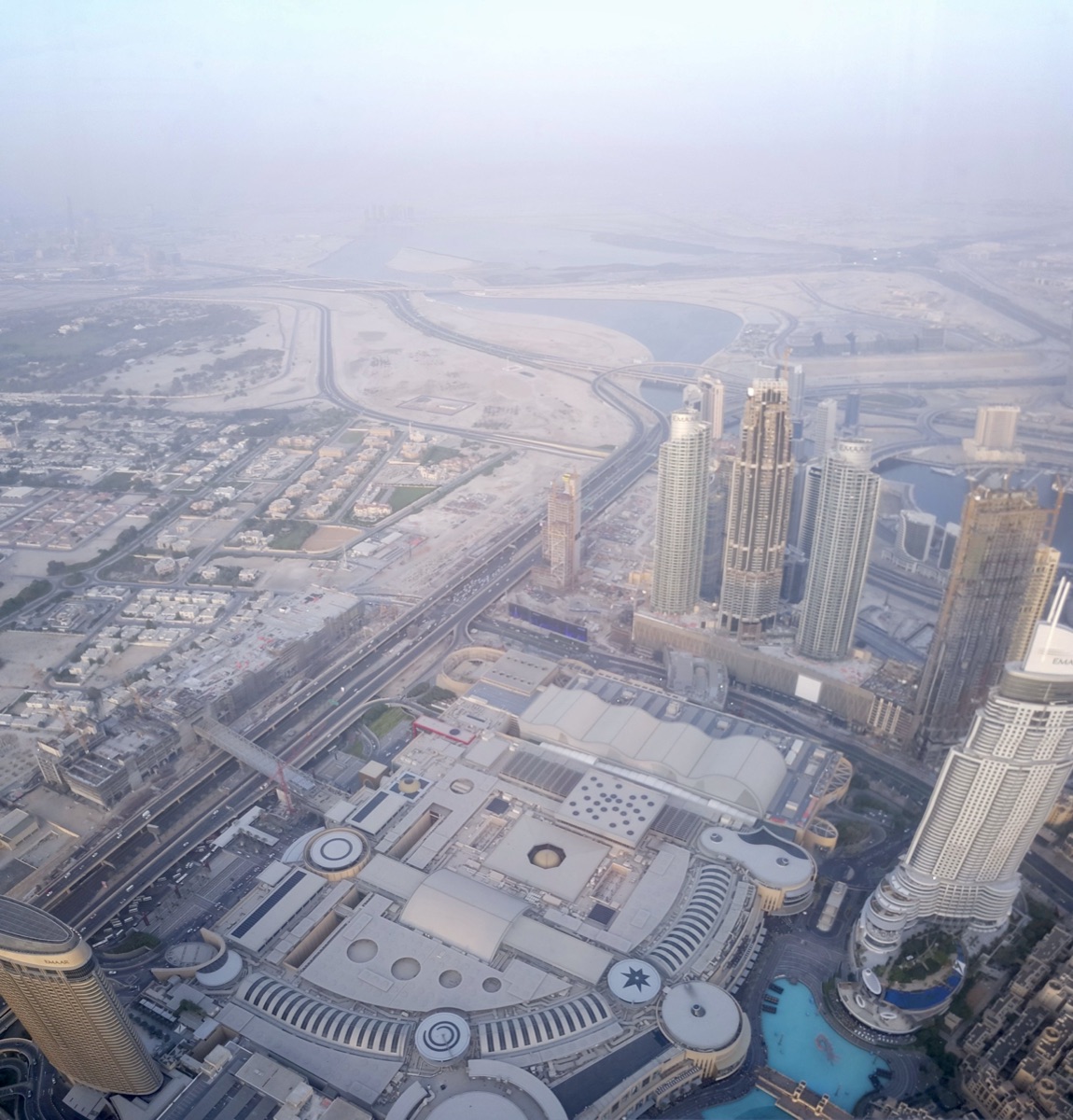
Photo: 7oanna, CC BY-SA 4.0, via Wikimedia Commons.

This is the same physics that governs record mountain-to-mountain sightlines, except mountains get to look through thin, clean high-altitude air, which is why the world records (400+ km / 249+ mi) belong to summits, not skyscrapers. The full breakdown of the three limits (curvature, air, eye) is in How Far Can You Actually See?
Check before you pay for the ticket
A deck visit is a weather bet. Two ways to load the dice:
- Go early morning or right after a front passes; skip hazy summer afternoons.
- Know what's theoretically visible first: each viewpoint page shows the direction of the longest sightlines, so you know which side of the deck to stand on, and whether that faint ridge is a mountain range 200 km out or just the haze line.
And the same analysis works from your own high spots: any point on Earth, computed in seconds.
Compute the view from any point, free
Frequently asked questions
Why do observation decks advertise less than the real maximum?
Marketing copy usually quotes the smooth-Earth horizon for the deck's height (a simple formula) rather than a terrain analysis. Real maximum sightlines can be far longer when high mountains stand within geometric reach, as terrain above the horizon plane remains visible.
Can you see Mount Fuji from Tokyo Skytree?
Yes: Fuji stands about 100 km (62 mi) southwest and is comfortably within the Skytree's sightlines. It's a haze question, not a geometry question: winter mornings with dry air are by far the most reliable.
What's the farthest thing visible from the Burj Khalifa?
The terrain analysis puts the maximum line of sight at 263 km (163 mi), reaching high ridges far across the Persian Gulf, far beyond the ~84 km (52 mi) smooth-Earth horizon for its deck height. Seeing it requires exceptionally clean, dry air.
Why can mountains be seen farther than the horizon distance?
The horizon formula gives the distance where sea-level terrain disappears. Objects taller than sea level remain visible beyond it: the taller the object, the farther beyond. A 3,000 m (9,843 ft) peak stays visible for roughly 200 km (124 mi) past its own horizon in clear air.