 UpToWhere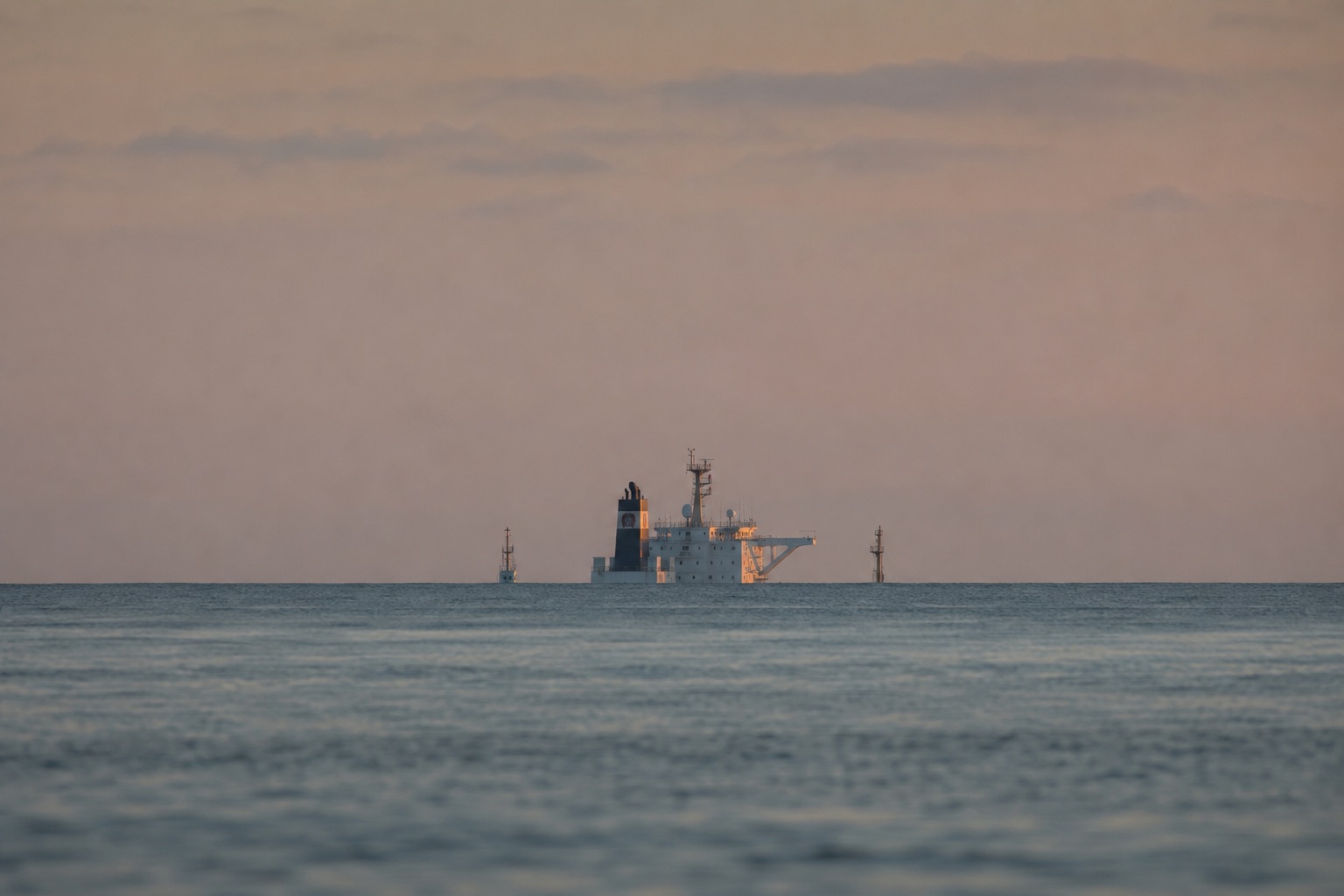
Standing on a beach or on flat ground, the human eye sees about 5 km (3 miles) before Earth's curvature hides the ground. Your eyes are not the limit; the planet is. Higher eyes see further: about 36 km from 100 m up, 113 km from a 1,000 m summit and 336 km from the top of Everest. Tall things stay visible beyond your horizon, and the air has to be clear enough for any of it. The rest of this page explains the three limits, and the box below computes yours.
Your horizon, from your height
Check the real view from where I amUses your location once, in your browser, to open the terrain analysis for your spot. Nothing is stored.
Ask "how far can the human eye see?" and you'll get two truthful answers that differ by twenty orders of magnitude. On a dark night you can see the Andromeda galaxy, 2.5 million light-years away, with your naked eye. Yet standing on a beach, you cannot see a rowing boat 5 km (3.1 mi) out.
The eye isn't the limit. Physics is. Three different ceilings decide how far you see, and which one applies depends on where you're standing.
Ceiling 1: Earth's curvature
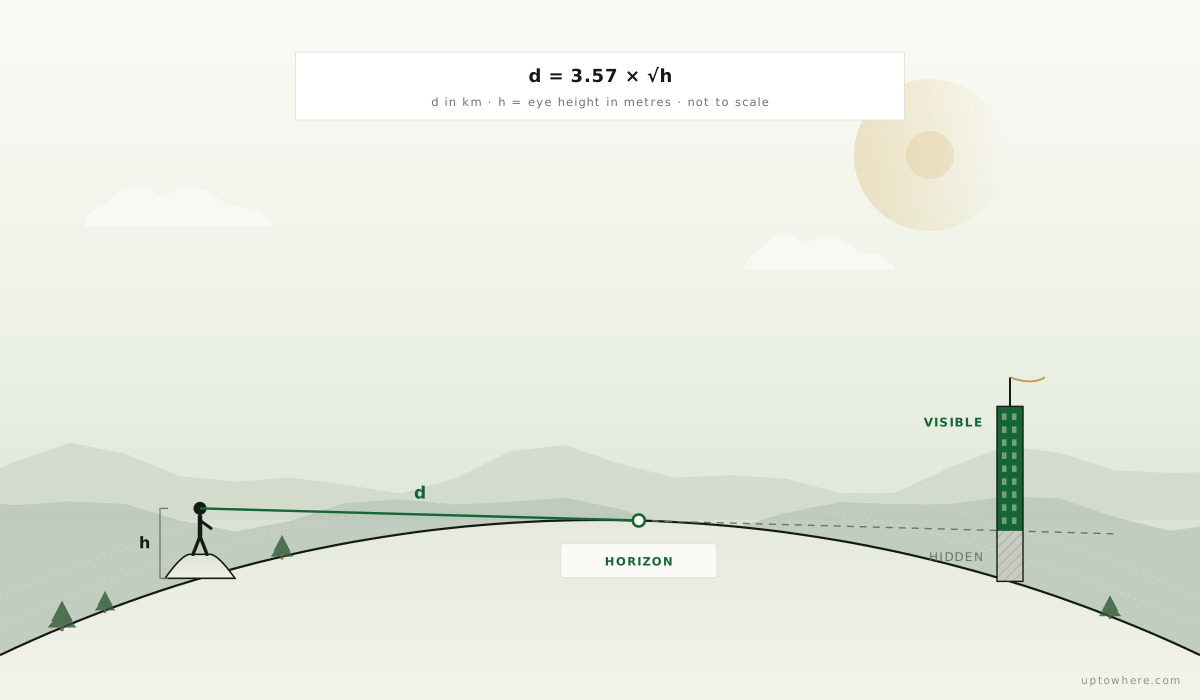
Light travels in (almost) straight lines, and Earth curves away beneath them. For an observer whose eyes are h metres above the surface, the horizon lies at approximately:
distance to horizon ≈ 3.57 × √h [km]
That single formula explains most everyday "how far" questions:
| Your eye height | You are… | Horizon distance |
|---|---|---|
| 1.7 m (5.6 ft) | a 6 ft adult's eye level, on a beach | ~4.7 km (~2.9 mi) |
| 10 m (33 ft) | on a cliff or building | ~11 km (~6.8 mi) |
| 30 m (100 ft) | on a ten-storey roof | ~20 km (~12 mi) |
| 61 m (200 ft) | on a twenty-storey roof | ~28 km (~17 mi) |
| 100 m (328 ft) | on a big hill / tall tower | ~36 km (~22 mi) |
| 305 m (1,000 ft) | on a skyscraper observation deck | ~62 km (~39 mi) |
| 1,000 m (3,281 ft) | on a mid mountain | ~113 km (~70 mi) |
| 3,715 m (12,188 ft) | on Teide | ~218 km (~135 mi) |
| 8,849 m (29,032 ft) | on Everest | ~336 km (~209 mi) |
| 400 km (249 mi) | on the ISS | ~2,300 km (~1,429 mi) |
Is the horizon 7 miles away, or 12?
Both, and neither: the question has no single answer because the horizon moves with your eyes. Turn the formula around and it gives the height each of those famous numbers needs.
| Horizon at | You have to be this high | With refraction |
|---|---|---|
| 7 mi (11 km) | 10 m (33 ft) | 8.5 m (28 ft) |
| 12 mi (19 km) | 29 m (96 ft) | 25 m (82 ft) |
| 20 mi (32 km) | 81 m (267 ft) | 70 m (228 ft) |
| 60 mi (97 km) | 732 m (2,401 ft) | 625 m (2,052 ft) |
The last column uses 3.86 × √h instead of 3.57 × √h. Standard atmospheric refraction bends light gently downward as it crosses air of falling density, which pushes the true horizon about 8% further out than bare geometry, and lowers the height you need by about 14%.
And it works in reverse: things beyond your horizon can still be visible if they are tall. A 5 km (3.1 mi)-distant rowing boat disappears; a 100 m (328 ft)-tall ship at the same distance does not. The full rule for spotting a distant object is the sum of two horizons: 3.57 × (√h_you + √h_target).
Ceiling 2: the air itself
Even with perfect geometry, you can only see as far as the air is transparent. Meteorologists cap "visibility" around 296 km (184 mi): the theoretical limit of a pure, aerosol-free atmosphere (Rayleigh scattering). Real air rarely comes close:
- Humid summer haze: 10–40 km (6–25 mi)
- Typical clear day: 40–100 km (25–62 mi)
- Post-cold-front, dry polar air: 150–300 km (93–186 mi)
This is why the record long-distance observations, up to 493 km (306 mi), are all made in cold, dry air at dawn, with the target silhouetted against twilight.
The trick is backlight: you stop asking the air to carry the mountain's detail and only ask it to carry a silhouette against a bright sky. That's how sightlines close to the theoretical cap actually get photographed. Twice a year, around late October and mid-February, the sun sets directly behind the Pyrenees as seen from Provence, and Canigou, 278 km (173 mi) from the Pic de Bertagne above Marseille, snaps into silhouette for a few minutes:
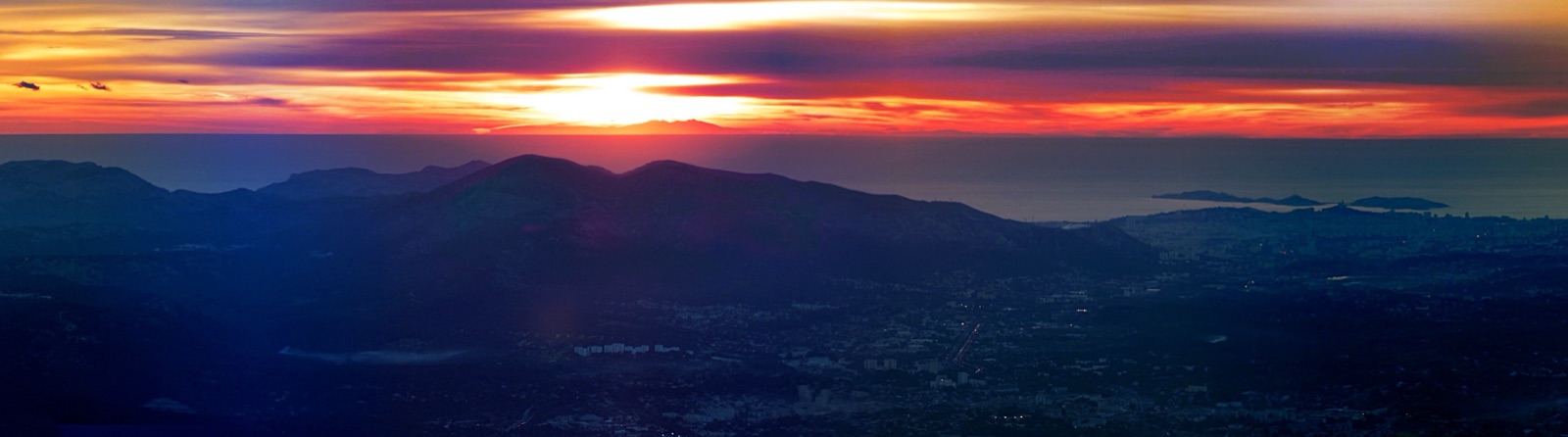
Photo: 2784bruno, CC BY-SA 4.0, via Wikimedia Commons.

There's also a helpful effect: atmospheric refraction. Density decreasing with altitude bends light gently downward, letting sightlines follow Earth's curve slightly. Standard refraction extends the horizon by 7–8 %: the purely geometric constant in the formula is 3.57, and with typical refraction it behaves closer to 3.86, a free bonus of several kilometres from any hill. Under temperature inversions the bending can grow dramatically, producing loomings and superior mirages where objects far beyond the horizon float into view.
Ceiling 3: the eye, the limit that almost never applies
For brightness, the eye has effectively no distance limit: it detects photons, and a candle flame is detectable at ~2.6 km (1.6 mi) in perfect darkness, a bright star at light-years. For detail, visual acuity resolves about 1 arcminute, meaning a 30 m (98 ft)-wide building is a single dot at 100 km (62 mi). You can see the mountain at 200 km (124 mi); you can't count its trees.
So in practice: on Earth's surface, terrain and air decide what you see, not your eyes.
Compute your real answer
The formula gives the smooth-Earth ceiling, but the actual limit at your location is set by terrain: the ridge to your west, the valley below, the mountain range 150 km away that pokes above your horizon. That's a computation over elevation data, and it's exactly what UpToWhere does:
- A 360° visibility analysis from any point, using 30 m Copernicus terrain data, curvature and refraction included.
- The farthest visible point, its bearing and elevation: your personal record sightline.
- Pre-computed answers for 162 famous viewpoints, from Mont Blanc to the Empire State Building.
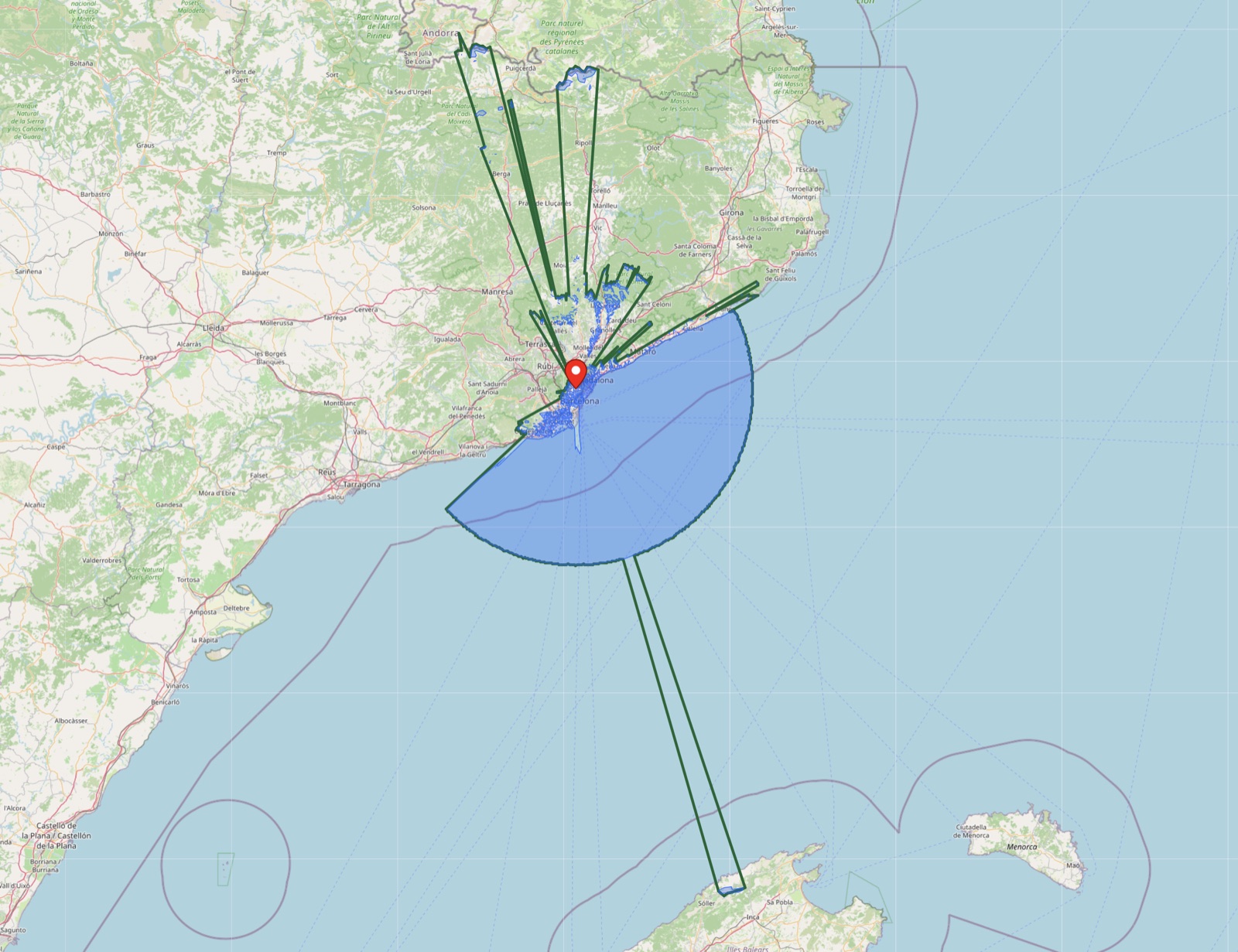
Take an ordinary example: Bunkers del Carmel, a hilltop viewpoint 262 m (860 ft) above Barcelona. The everyday view is the city below and a broad fan of Mediterranean out to the sea horizon. The interesting part is what escapes past it: through narrow gaps between ridgelines, thin corridors reach the Pyrenees more than 110 km (68 mi) to the north, and one threads down the coast and across open water to Mallorca's Serra de Tramuntana above Sóller, 189 km (117 mi) away. A corridor like that is a degree or two wide; the analysis tells you it exists and exactly where to look.
The earth curvature calculator does the arithmetic above for any height you like, in metres or feet, with or without refraction.
Find out how far you can see from where you are
Frequently asked questions
How far can the human eye see on flat ground?
Standing at average height on flat terrain or a beach, your horizon is about 4.7–5 km (2.9–3.1 mi) away. Anything at ground level beyond that is hidden by Earth's curvature, regardless of how good your eyesight is.
How far can you see from a plane?
From a cruising altitude of 11,000 m (36,000 ft) the geometric horizon lies about 375 km (233 mi) away. In practice haze usually limits recognizable ground detail to well under that, but mountain ranges and city glows at 300+ km (186+ mi) are routinely visible from window seats in clean air. We wrote a full altitude-by-altitude guide, from eye level to the stratosphere.
Does atmospheric refraction really let you see around the curve?
Slightly, yes. Because air density falls with height, light bends downward by about one seventh of Earth's curvature under standard conditions, extending the horizon roughly 7–8 %. Strong temperature inversions can bend light much more, briefly revealing objects far beyond the geometric horizon (superior mirages).
What is the farthest thing visible with the naked eye?
The Andromeda galaxy, about 2.5 million light-years away, is visible from dark sites. Distance alone doesn't limit the eye: brightness and contrast do, which is why a galaxy is visible while a dim boat a few kilometres away at night is not.